
24/7 EMERGENCY, Call Now!
 (408) 320-5011

Wildfire Smoke and Your Home’s Air Quality: What Bay Area Residents Need to Know
Wildfire smoke transforms the air outside into a thick haze that smells like a campfire and stings your eyes. Most people head indoors and close every window, assuming the walls will shield them from fine particle pollution. Tiny airborne pollutants sneak through small gaps in doors, window seals, and attic spaces. Smoke particles can quickly build up inside your living rooms and bedrooms, making the air inside worse than the air outside.
At Made Simple Heating & Air, we see how heavy smoke strains home systems while forcing equipment to pull double duty. Keeping indoor spaces breathable requires a basic understanding of your home airflow and a clear plan to catch microscopic debris before it circulates. When smoke settles over the neighborhood, having a dependable team handle your HVAC repair in Santa Clara, CA, keeps your equipment running smoothly and your indoor air breathable.
The Fine Particles Hiding in Wildfire Smoke
Wildfire smoke is not a simple gas. It consists of thousands of distinct chemical compounds, ash particles, and microscopic droplets of liquid. The primary health threat from smoke stems from fine particulate matter known as PM2.5. These particles measure 2.5 micrometers in diameter or smaller, which makes them roughly thirty times smaller than a single human hair. According to the United States Environmental Protection Agency, particles of this size bypass your nose and throat filters, traveling straight into deep lung tissue.
Because PM2.5 particles are so tiny, they float in the air for days rather than settling on surfaces. Ordinary home air filters miss these micro-particles, allowing smoke residue to recirculate through your living spaces continuously. Understanding what floats in the air helps explain why standard home filtration often falls short during heavy smoke events.

Home Size and System Sizing Requirements
Cooling capacity is measured in tons, and larger living spaces require higher tonnage to maintain comfort. A typical fifteen-hundred-square-foot home usually needs a two-and-a-half to three-ton cooling system. The United States Department of Energy reports that residential cooling units in the nation are frequently oversized by twenty-five to fifty percent. Oversized equipment turns on and off rapidly, which wastes energy and creates uneven temperatures across rooms. Proper load calculations prevent this issue by matching unit size precisely to the square footage, window exposure, and insulation levels of your residence. Selecting an accurate size during an AC replacement service avoids unnecessary energy waste over time.
How Smoke Affects Your Home Equipment
During peak smoke events, your equipment works under extreme pressure. Standard heating and cooling units pull air from inside the home, pass it through a filter, temperature-adjust it, and blow it back into your rooms. When outdoor air is thick with ash and particulate matter, your equipment draws those pollutants into its internal components.
Fine ash coats internal blower fans, coats evaporator coils, and clogs return vents. A dirty system works harder to pull air through blocked passages, which increases energy consumption and accelerates mechanical wear. Smoke residue left inside your ductwork can create lingering burnt odors that persist long after the outdoor sky clears up. Professional HVAC services target these hidden collections of ash, removing buildup from internal components before it causes unexpected system shutdowns.

Steps to Prepare Your System Before Smoke Arrives
Taking action before the sky turns orange prevents emergency strain on your home. Start by checking your equipment filters. Most homes use basic fiberglass filters that trap dust bunnies and pet hair but allow fine smoke particles to pass right through. Upgrading to a filter with a Minimum Efficiency Reporting Value, or MERV, rating between 13 and 16 traps a much higher percentage of fine particulate matter without choking off system airflow.
Checking your home seals is equally important. Gaps around doors, window frames, and exterior wall penetrations allow outdoor smoke to leak directly into your living spaces. Caulking around windows and adding fresh weatherstripping to exterior doors reduces infiltration, allowing your air cleaner to handle the indoor volume effectively.
Operating Your System During Heavy Smoke Events
When smoke fills the neighborhood, change how you run your home equipment. Switch your thermostat fan setting from “Auto” to “On.” The “Auto” setting only runs the fan when the system heats or cools the home. Switching the fan to “On” keeps air continuously moving through your high-efficiency filter, constantly scrubbing fine particles out of your indoor air.
Make sure your fresh air intake vents are closed. Many modern homes include fresh air ventilation systems that draw outdoor air inside to maintain indoor oxygen levels. During a wildfire event, close these dampers or set your system to recirculate mode. Recirculating indoor air prevents your equipment from pulling toxic outdoor smoke directly into your living room.
If your system struggles to keep up or stops cooling while running continuously during a smoke event, call for emergency HVAC support to address severe strain or clogged components right away.
The Role of Whole-House Filtration and Purifiers
Portable air purifiers help clean individual bedrooms, but whole-house air filtration offers a comprehensive defense against wildfire smoke. Whole-house purifiers integrate directly into your existing ductwork, treating every cubic foot of air that moves through your home.
These systems use a combination of advanced media filters and photo-hydro-ionization technology to capture airborne particles and neutralize volatile organic compounds. By capturing fine particles before they reach your living spaces, an integrated purification system maintains cleaner indoor conditions during prolonged smoke events. Upgrading your filtration setup as part of a planned HVAC installation creates a permanent defense line against seasonal air quality drops.
Replacing Filters After Smoke Clears
Once the outdoor air clears and local air quality indexes return to green levels, your work is not quite finished. The high volume of smoke particles trapped by your filters during the event means those filters are likely clogged with fine ash and debris. Leaving a smoke-saturated filter in place restricts airflow, reduces system efficiency, and causes stale, burnt odors to linger in your home.
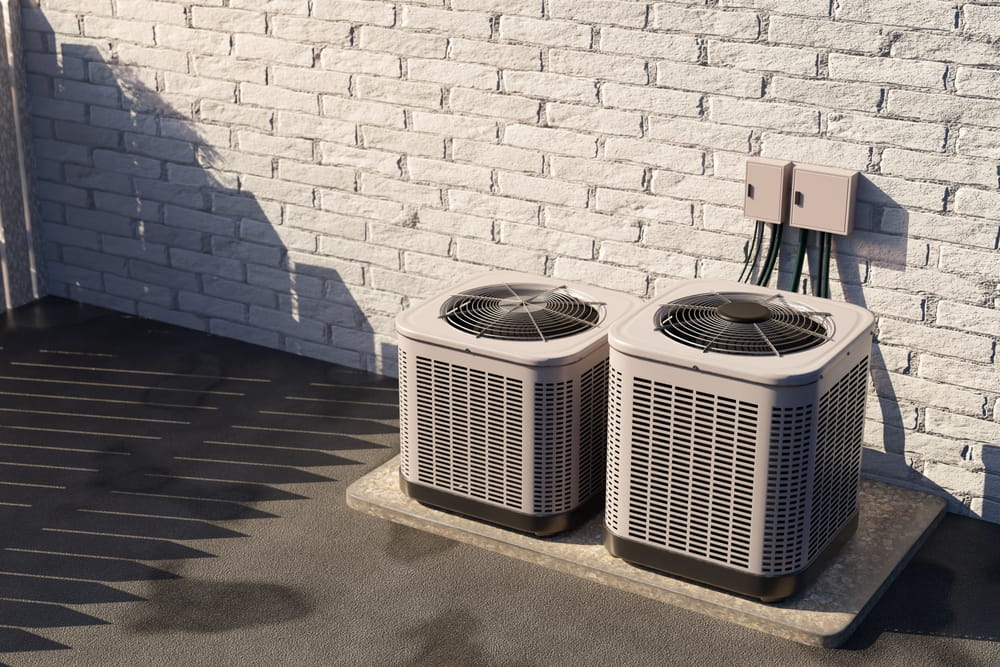
Remove and dispose of all air filters immediately after a major smoke event. Replace them with fresh, high-efficiency filters to restore normal airflow. Inspecting your outdoor condenser unit is also helpful. Ash settles on the outdoor fins, blocking heat release and forcing the compressor to work harder. Washing the outdoor coil gently with a garden hose removes ash buildup and keeps your system running efficiently. Regular HVAC maintenance keeps these components clean and functioning properly year-round.
Long-Term Benefits of Proper Air Care
Maintaining clean indoor air provides physical comfort and preserves your home infrastructure. Fine ash is abrasive and slightly acidic. When ash accumulates inside your heating and cooling equipment, it wears down electrical connections, degrades fan bearings, and corrodes metal coils. Keeping your air clear protects internal machinery from early failure and expensive component replacements.
Clean air also protects your home furnishings. Fine smoke particles settle into drapes, carpets, upholstered furniture, and wall paint, leaving behind stains and odors that are difficult to remove. Capturing those particles at the central filter preserves your interior finishes and reduces the need for heavy deep cleaning after smoke season ends. Keeping your residential HVAC setup in peak condition protects your indoor environment year after year.
If your home unit shows signs of strain, unusual noises, or weak airflow during smoke season, schedule a routine HVAC system check to keep your equipment running cleanly.
Frequently Asked Questions
- Should I turn off my air conditioner when it is smoky outside?
No, you can run your air conditioner, but set it to recirculate indoor air rather than pulling in outdoor air. Ensure your system filter is clean and rated MERV 13 or higher to capture fine smoke particles.
- How often should I change my air filter during wildfire season?
Check your air filter every two weeks during active smoke events and replace it immediately if it appears dark or dirty. At minimum, replace your filter right after the outdoor smoke clears.
- Can wildfire smoke damage my heating and cooling equipment?
Yes, fine ash and particulate matter can bypass low-efficiency filters and coat internal coils, fans, and electrical parts. This buildup reduces system efficiency, causes mechanical wear, and restricts airflow.
- What MERV rating is best for wildfire smoke?
A filter with a MERV 13 rating or higher is recommended for capturing fine particulate matter like wildfire smoke. Check your system specifications first to ensure your unit can handle the restricted airflow of high-MERV filters.
When smoke impacts Bay Area skies, Made Simple Heating & Air stands ready to restore comfort and clean air to your living space. We provide prompt service with fast turnaround times, bringing certified technicians with hands-on expertise directly to your door. You always receive honest, upfront pricing with no hidden surprises, paired with customized solutions designed for long-term efficiency. Count on our deep local knowledge of Bay Area homes and climate conditions to keep your system performing at its best.
Contact Made Simple Heating & Air today to prepare your home for smoke season.