
24/7 EMERGENCY, Call Now!
 (408) 320-5011
Central AC vs. Mini-Splits: A Head-to-Head Comparison of Cost, Efficiency, and Installation Invasiveness

Choosing an air conditioning system comes down to how you use your property and the shape of your current layout. Central systems cool entire houses evenly using network channels. Ductless options offer precise control for specific zones. Property owners look at these options when planning an upgrade or handling a remodel. For those looking to optimize home comfort with zoning, a professional mini-split installation in Santa Clara, CA provides an efficient alternative that bypasses traditional ductwork completely. We have spent years at Made Simple Heating & Air helping local residents evaluate these choices to find a good fit for their specific spaces.
Upfront Expenses and Equipment Selection
Finances play a large role in your final choice. Installing a central system when you already have ducts requires an initial financial layout. According to data from the Department of Energy, ductless systems save homeowners up to thirty percent on heating and cooling bills. A multi-zone configuration requires separate outdoor and indoor units, which alters initial equipment bills. Working with an experienced mini-split company helps clarify these numbers based on your square footage and floor plan.
Energy Efficiency Ratings and Operation
Operational efficiency directly impacts your monthly utility bills. Central units use networks of ducts that can lose up to thirty percent of their cooling energy through leaks or uninsulated spaces, especially in attics or crawlspaces. Ductless models avoid this problem by delivering conditioned air directly into individual rooms. These systems carry high Seasonal Energy Efficiency Ratio ratings because they use variable-speed compressors that modify outputs to real-time demands. Investing in professional mini-split services allows you to cool the rooms you occupy, reducing overall energy waste throughout the year.
Structural Impacts and Setup Process
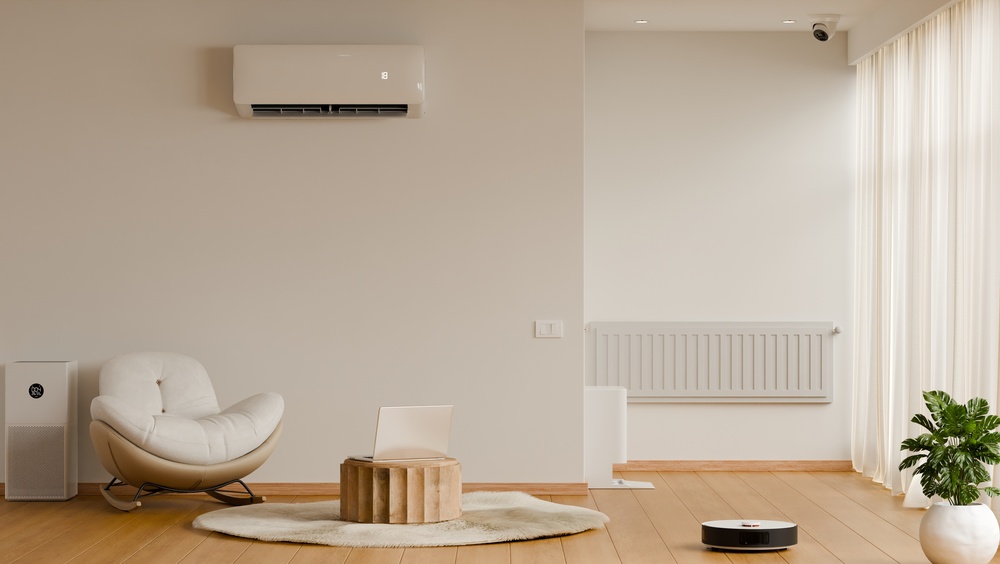
The physical setup process varies depending on the architecture of your house. Central systems require network channels behind walls and ceilings, which can alter your daily routine if your home lacks existing infrastructure. Ductless units require a small three-inch hole through an exterior wall to connect the indoor component to the outdoor compressor. This footprint preserves your architectural integrity and keeps the setup timeline brief.
Frequently Asked Questions
Q: How long does it take to set up a ductless system?
A single-zone setup usually takes less than one day to complete. Multi-zone installations can take two to three days depending on the layout.
Q: Can a ductless system handle heating during the winter?
Yes, these heat pumps handle both cooling and heating efficiently. They extract heat from outside to warm your indoor space when temperatures drop.
Q: Do central systems clean indoor air?
Central systems utilize large media filters that treat the air across your entire property at once. Ductless units use multi-stage filtration systems within each individual room component to capture dust and allergens locally.
Finding the Perfect Solution for Your Comfort
Finding the right setup requires a balance of local experience and specialized building knowledge. Our team brings hands-on expertise to every project, delivering honest, upfront pricing with no hidden surprises so you can make an informed choice. We evaluate your unique layout to provide customized solutions designed for long-term efficiency under specific Bay Area climate conditions. Let Made Simple Heating & Air deliver prompt service with fast turnaround times to keep your space comfortable through every season. Reach out to our team today.