
24/7 EMERGENCY, Call Now!
 (408) 320-5011
R-22 vs. R-410A vs. Next-Gen Refrigerants: What You Need to Know About Older Systems and Phased-Out Coolants

If your air conditioner is getting older, one of the most important things to understand is the type of refrigerant it uses. Refrigerant plays a key role in cooling your home, and changes in industry regulations have affected how older systems are serviced. Whether you are dealing with an aging unit or considering repair options, knowing the basics can help you make informed decisions. At Made Simple Heating & Air, we often help homeowners understand what these refrigerant changes mean for comfort, system performance, and maintenance needs, including situations that require a refrigerant refill in Santa Clara, CA.
Understanding What Refrigerant Does
Refrigerant is the substance that absorbs and releases heat as it moves through your air conditioning system. Without the proper amount of refrigerant, your system cannot cool effectively.
According to the U.S. Department of Energy, proper refrigerant levels are essential for maintaining system efficiency and cooling performance. Low refrigerant levels can reduce comfort and increase energy use.
A Look at R-22 Systems
Many older air conditioners were designed to operate with R-22 refrigerant. Over time, environmental concerns led regulators to phase out its production and importation in the United States.
The U.S. Environmental Protection Agency states that R-22 contributes to ozone depletion, which is why its availability has become increasingly limited. Homeowners with older systems may find that servicing these units requires special consideration when an AC coolant charge is needed.
How R-410A Became Common
R-410A became the standard refrigerant for many residential air conditioning systems after the industry moved away from R-22. Equipment designed for R-410A operates differently and requires components built specifically for that refrigerant.
Manufacturers engineered these systems to meet updated performance standards and environmental requirements. When a system needs an AC coolant refill, technicians must always use the refrigerant specified by the manufacturer.
What Property Owners Should Know About New Refrigerants
The HVAC industry continues to introduce refrigerants with lower environmental impact. These newer options are designed to reduce global warming potential while maintaining reliable cooling performance.
Several important facts are worth keeping in mind:
- Refrigerants are not interchangeable between systems.
- System labels identify the approved refrigerant type.
- Refrigerant handling requires certified technicians.
- Accurate charging affects efficiency and equipment operation.
- Environmental regulations influence refrigerant availability.
The Air-Conditioning, Heating, and Refrigeration Institute and EPA continue to provide guidance on refrigerant management and environmental standards.
Signs Your System May Need Attention
Changes in cooling performance can sometimes indicate refrigerant-related issues. Property owners should watch for:
- Warm air coming from supply vents
- Longer cooling cycles
- Ice buildup on refrigerant lines
- Reduced indoor comfort
- Higher energy consumption
A professional inspection can determine whether the issue involves refrigerant levels, airflow restrictions, electrical components, or another system concern.
Frequently Asked Questions
Q: Can I add refrigerant to my AC myself?
No. Federal regulations require certified professionals to handle refrigerants safely and legally.
Q: Is R-22 illegal to use?
No. Existing systems can still operate with R-22, but new production and importation have been phased out.
Q: How do I know what refrigerant my system uses?
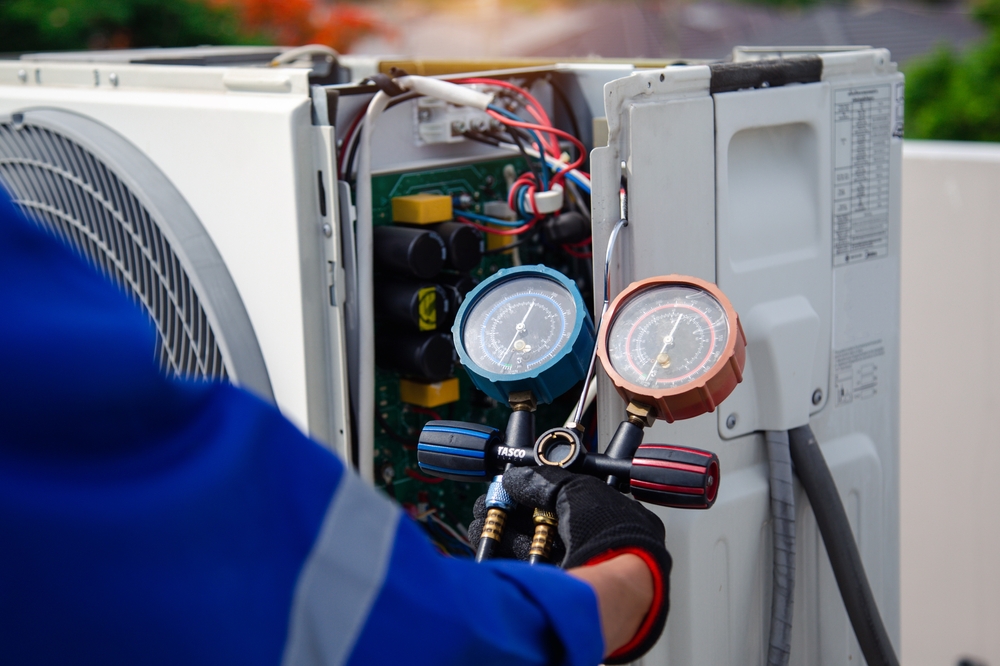
The refrigerant type is typically listed on the equipment data plate attached to the outdoor unit.
Q: Does low refrigerant always mean there is a leak?
Not always, but refrigerant does not get used up during normal operation. Low levels often indicate a leak that should be inspected.
When questions arise about older cooling equipment, Made Simple Heating & Air is here to help you understand your options. Our team provides prompt service with fast turnaround times, certified technicians with hands-on expertise, honest, upfront pricing with no hidden surprises, and customized solutions designed for long-term efficiency. We also bring local knowledge of Bay Area homes and climate conditions, helping homeowners make practical decisions that support dependable indoor comfort throughout the year.
Call our team today!